During Divorce: Lessons from Shannen Doherty’s Legacy

February 28, 2025
Estimated reading time: minutes

The July 2024 passing of beloved Gen X actress Shannen Doherty offers important lessons about estate planning during divorce. Known for her iconic roles in "Beverly Hills, 90210," "Heathers," and "Charmed," Doherty not only faced a courageous and public battle with breast cancer but also raced against time to finalize her divorce and protect her estate. Her story shows why proper timing and planning are crucial when navigating divorce—one of life's most challenging transitions.


The Power of Timing

According to reports, just one day before her death, Doherty filed for an uncontested divorce from her husband, Kurt Iswarienko, who signed the agreement the following day. This eleventh-hour timing proved crucial for her estate. By finalizing the divorce, Doherty ensured her assets—including a $6 million Malibu home and future residuals from her acting career—would be distributed according to her wishes rather than being subject to California’s community property laws.


Unlike California, Florida is not a community property state. Instead, Florida follows equitable distribution, which means marital assets are divided fairly but not necessarily equally in a divorce. Had Doherty resided in Florida, different estate planning concerns would apply.

Had the divorce not been finalized, the outcome could have been drastically different. In Florida, if a person dies during an active divorce, the proceeding is dismissed, and the surviving spouse retains their legal rights to the estate, including elective share claims, homestead rights, and family allowances. Without a finalized divorce, Iswarienko could have had a legitimate claim to significant portions of Doherty’s estate, potentially leading to years of costly legal battles and family conflict.


Common Estate Planning Mistakes During Divorce

While Doherty managed to finalize her divorce just in time, many people make critical estate planning mistakes during divorce that can have lasting consequences for their families.


Here are the most common pitfalls to avoid:


  • Forgetting About Digital Assets.
    In today's digital world, your online presence and digital assets need consideration during divorce. Streaming service accounts, airline miles, cryptocurrency, digital photos, and social media accounts must be addressed. Many people forget to update passwords and access information or fail to specify who should inherit these digital assets. This oversight can leave your loved ones unable to access important memories, valuable assets, or necessary account information.
  • Neglecting Incapacity Planning.
    Divorce often focuses people's attention on what happens after death, but incapacity planning is equally important. In Florida, a power of attorney naming a spouse is automatically revoked upon divorce, but digital assets require explicit planning under Florida’s Fiduciary Access to Digital Assets Act. Failing to update access permission. During and after divorce, you need to designate new agents to make medical and financial decisions if you become incapacitated. Without updated incapacity planning documents, your ex-spouse might still have legal authority to make crucial decisions about your care, which you may not want.
  • Making Emotional Decisions.
    Divorce is emotionally charged, and many people make hasty decisions based on anger or hurt. For example, you might make choices that could trigger expensive legal battles after your death. As a Personal Family Lawyer, I am your trusted advisor who can help you see the impact of your decisions and support you to create a Life & Legacy Plan that aligns with your long-term goals and values.


Protecting Your Assets During Divorce

To avoid these common mistakes and protect your assets during divorce, consider these three practical steps:


  1. Create an Asset Inventory
    Document all your assets, including property, bank accounts, retirement accounts, investments, life insurance policies, and digital assets. Note which assets are yours alone and which ones are joint assets. This inventory will help ensure nothing is overlooked during the divorce process. When you meet with me for a Life & Legacy PlanningⓇ Session, I will support you with this step.
  2. Review and Change Beneficiary Designations
    Systematically review and update beneficiary designations on all financial accounts, retirement plans, and insurance policies. Remember that beneficiary designations typically override what's written in your will or trust.
  3. Create a Life & Legacy Plan
    When you work with me to create your comprehensive Life & Legacy Plan, you’ll know your assets will go to the people you want in the way you want and that you’ll be cared for by those you trust most if you become unable to care for yourself. You’ll also know that your beneficiary designations will be updated, your assets accounted for, and that you’re making the best decisions for the long term.


Your Next Step

As a Personal Family Lawyer® Firm, I help you navigate life's transitions while protecting your assets and loved ones. I don't just create estate planning documents—I provide ongoing support to ensure your plan evolves with your life changes and works when you and your loved ones need it most. Through the Life & Legacy Planning process, I will help you make informed decisions about your estate, especially during major life transitions.


Click here to schedule a complimentary 15-minute Discovery Call and start protecting your assets during divorce. 


This article is a service of Sibley Law & Associates, a Personal Family Lawyer® Firm. We don’t just draft documents; we ensure you make informed and empowered decisions about life and death, for yourself and the people you love. That's why we offer a Life & Legacy Planning Session™, during which you will get more financially organized than you’ve ever been before and make all the best choices for the people you love. You can begin by calling our office today to schedule a Life & Legacy Planning Session™.


This material was created for educational and informational purposes only and is not intended as ERISA, tax, legal, or investment advice. If you are seeking legal advice specific to your needs, such advice services must be obtained on your own separate from this educational material.

December 5, 2025
When families come together to care for aging parents , t hey expect unity. They imagine teamwork. What they often encounter instead is conflict. Long-buried tensions resurface, and new resentments form under the pressure of caregiving. Across the United States, over 37 million adults provide unpaid elder care. Families everywhere are discovering the same painful truth: caregiving has a way of shining a bright light on unresolved family patterns. What should be a meaningful chapter becomes a source of division that can last a lifetime. And while you may be focused on your parents right now, there is another reality to confront. One day your children will be making decisions about your care. The question is simple. Are you setting them up with clarity or confusion? A roadmap or a minefield? Why Caring for Parents Often Strains Sibling Relationships Even close families struggle when caregiving enters the picture. One child usually ends up doing most of the work. Sometimes it is the child who lives closest. Sometimes it is the child who has the most flexible schedule. And sometimes it is simply the child who cannot bear to say no. Meanwhile, other siblings may be less involved, either due to distance, emotional discomfort, or a belief that someone else will handle things. The imbalance grows. The resentment grows with it. But the real conflict is rarely about who drives to doctor appointments or who manages the bills. According to experts in family psychology, caregiving reactivates old, unresolved childhood dynamics. Questions surface that were never truly settled: Who carried more responsibility growing up? Who received more attention? Who avoided conflict while someone else absorbed it? Who always stepped in, and who always stepped back? These wounds were not created during caregiving. They were created long before it. Caregiving simply removes the lid. Think about your own family. Are there tensions that have been sitting quietly for years? Old patterns that everyone knows exist but nobody names? When parents begin to decline, all of those patterns return — and this time, they come with real consequences. Families are left navigating not only medical decisions and logistical challenges, but decades of emotional history. And while all of this is unfolding, someone else is watching closely. Your children. Your Children Are Learning From This Moment People often forget this part. The next generation is paying attention. Your children see how your family communicates under pressure. They see who steps up, who steps back, who handles conflict well, and who avoids it. They are learning how elder care works in your family. And here’s the uncomfortable truth: The patterns they see today are the same patterns they will repeat someday when caring for you — unless you interrupt the cycle. If your children witness sibling conflict, they internalize that as normal. If they see roles falling unfairly on one person, that becomes the expectation. If they see that nobody openly talks about wishes, responsibilities, or boundaries, they assume silence is the rule. Unless you make a different choice now. Breaking the Cycle Starts With One Step: Planning Ahead You can spare your children from repeating the same painful dynamics by doing something most families avoid — having the difficult conversations early, while everything is still calm. 1. Start talking to your children about what you want. Be clear about your medical wishes. Be clear about your long-term care preferences. Be clear about your values. Most adult children are not afraid of responsibility. They are afraid of guessing wrong. 2. Facilitate a conversation among your children now — not later. Fairness does not mean equal tasks. Fairness means clarity, consent, and agreement. One child may be better suited for paperwork. One may live closer and manage appointments. One may contribute financially or provide remote support. But these understandings do not magically appear in a crisis. They require discussion. 3. Put the proper legal documents in place. This is where most families unintentionally cause confusion. Without the right legal authority, children are left scrambling. At minimum, you should have: A Healthcare Surrogate Designation A Living Will or Advance Directive A Durable Power of Attorney A plan for protecting assets and reducing conflict A roadmap your children can actually follow These decisions are not just legal. They are relational. They give your children confidence and protect them from unnecessary conflict. And this brings us to the part most people misunderstand. A Simple Will Is Not Enough A will only answers questions after you die. It does nothing to guide your children through the years when you may need help managing finances, medical decisions, or long-term care. It does nothing to reduce conflict among siblings. It does nothing to keep your family out of court. What you want is a comprehensive Life & Legacy Plan — the kind of plan that supports your family while you are living and protects them long after you are gone. This type of plan includes: Clear medical directives Durable powers of attorney A complete inventory of assets and accounts Instructions your children can easily follow A strategy for avoiding probate Regular reviews as your life changes A trusted advisor who knows your family and guides them during tough transitions This is how you break the cycle. This is how you protect the relationships that matter most. Your Opportunity: Protect Your Family’s Future While Strengthening Their Bonds Today A comprehensive Life & Legacy Plan is not only about assets or documents. It is about leadership. It is about giving your children the clarity you wish you had while caring for your own parents. It gives you the chance to tell your children: What matters most to you How you want them to work together What you hope they honor, protect, and preserve How you want them to experience the final chapters of your life This is your opportunity to protect your family from stress, confusion, and conflict — and give them a foundation of unity instead. How Sibley Law Can Help At Sibley Law & Associates, we don't simply draft documents. We guide families through the entire Life & Legacy Planning™ process. We help you understand what would happen without a plan. We help you clarify your wishes and values. We help you create a roadmap your children can actually follow. And when the time comes, your family will have a trusted advisor — someone who already knows your story and your priorities — walking beside them. If you’re ready to protect your family and bring clarity to the next generation, schedule your Life discovery call today. With warmth and gratitude, Attorney Dedra Sibley & The Sibley Law Team Protecting Families. Building Legacies. This article is a service of Sibley Law , a Personal Family Lawyer® Firm. We don’t just draft documents; we ensure you make informed and empowered decisions about life and death, for yourself and the people you love. That’s why we offer a Life & Legacy Planning Session , during which you’ll get more financially organized than ever before and make the best choices for the people you love. Contact us today at https://www.legacylawyeratsibleylaw.com/contact to schedule your session. The content is sourced from Personal Family Lawyer® for use by Personal Family Lawyer® firms, a source believed to be providing accurate information. This material was created for educational and informational purposes only and is not intended as ERISA, tax, legal, or investment advice. If you are seeking legal advice specific to your needs, such advice services must be obtained on your own, separate from this educational material.
November 13, 2025
Whether you have a lot of money or a little, keeping you out of court and out of conflict is our job. We make estate planning easy and effective, and we keep it as affordable as possible. At Sibley Law, we are more than just attorneys; we are your estate planning partners. We partner with you to Plan for Life, Build for Legacy. While the need for an estate plan is universal, the process is far from one-size-fits-all. For residents of the Sunshine State, a generic estate plan created elsewhere, or a simple do-it-yourself document, may fail to account for the intricate and often strict legal landscape of Florida. From unique real estate protections to specific marital laws, Florida residents face distinct challenges that demand specialized legal expertise. The Cornerstone of Florida Estate Law: Homestead Protections One of the most compelling reasons Florida residents need specialized estate planning revolves around the state’s robust and complex Homestead Law. This constitutional provision offers unparalleled protection for a primary residence, but it also imposes strict limitations on how that property can be transferred. Protecting Your Primary Residence from Creditors The "Homestead" status protects your primary residence from being seized by most general creditors. This is a powerful asset protection shield that is a primary draw for many new Florida residents. However, this protection is not automatic or absolute, and it must be properly asserted and maintained. Restrictions on Devise and Inheritance The protective nature of the Homestead Law is balanced by restrictions on how the property can be passed down. If you are survived by a spouse or a minor child, Florida law severely limits your ability to devise the home in your Will or Trust. Surviving Spouse and Minor Child: If you have both, the surviving spouse receives a life estate, meaning they can live in the home for life, with the remainder interest passing to your descendants. This can create conflict and difficulties with property maintenance and sale. Surviving Spouse Only: If you have a spouse but no minor children, you can only leave the homestead property outright to your spouse. Leaving it to anyone else, even your children from a prior marriage, will be overridden by state law. Without a specialized plan, your property's transfer could be dictated by these default rules, which may contradict your actual wishes, especially in a blended family scenario. Proper planning with a Florida estate lawyer is essential to ensure the home passes to your desired heirs while preserving creditor protection, potentially by utilizing instruments like a Lady Bird Deed or a tailored trust. Protecting Marital Rights: The Elective Share Another critical area where local expertise is non-negotiable is Florida’s Elective Share law. This provision acts as a safety net, ensuring a surviving spouse is not completely disinherited. A Guaranteed Share of the Estate Regardless of what a Will or Trust states, a surviving spouse in Florida has the right to claim 30% of the deceased spouse's elective estate. This "elective estate" is calculated broadly and can include assets that are typically non-probate, such as: Property held in a revocable trust. Certain joint accounts. Life insurance policies and retirement accounts where the spouse is not the beneficiary. Implications for Blended Families The elective share can have significant, and often unintended, consequences for blended families. If you intend to leave the majority of your assets to children from a prior marriage, your current spouse can still claim 30% of the expanded elective estate. Meticulous planning is required to address this, perhaps through a valid prenuptial or postnuptial agreement where the spouse waives their elective share rights. A Florida attorney understands the specific legal requirements for such waivers to be enforceable. The Challenge of Multi-State Residency: Snowbirds and Domicile Florida is a magnet for part-time residents, often referred to as "Snowbirds," who split their time between Florida and another state. This dual-residency creates a confusing legal mess if not properly addressed, especially regarding probate and taxation. Establishing Legal Domicile Your domicile—your fixed, permanent home—is a critical factor that determines which state’s laws govern your estate. Just having a second home in Brevard County is not enough to establish Florida domicile. Without clear documentation of intent, such as filing a Declaration of Domicile, registering to vote, and updating legal documents, a dispute could arise about your true state of residency. This can lead to: Tax Disputes: Other states may attempt to claim you as a resident for income or estate tax purposes. Ancillary Probate: If you are deemed a resident of another state but own real property in Florida, your estate may have to go through a full probate process in your home state and an ancillary probate in Florida, leading to more expense and delay. A Florida-focused estate plan is designed to clearly establish your intended domicile, minimizing the risk of multi-state probate and litigation. Your Trusted Estate Planning Partner At Sibley Law & Associates, PLLC, serving Brevard County and The Central Florida area, we stand as a beacon of legal expertise and unwavering dedication in the realm of estate planning. Our seasoned staff and attorneys possess a wealth of knowledge and experience that sets us apart as trusted advisors in matters of estate law. When residents of Brevard County and The Central Florida area seek the services of an estate planning lawyer, they are met with a myriad of choices. However, entrusting your estate planning needs to Sibley Law & Associates, PLLC, ensures a level of proficiency and commitment that is unmatched in the industry. We pride ourselves on delivering meticulous attention to detail in crafting comprehensive estate plans tailored to each client's unique circumstances. We understand the intricacies of Florida estate law—from the peculiarities of the Homestead Act to the complexities of the Elective Share—and excel in creating strategies that safeguard your assets and uphold your wishes for the future. Working with us means benefiting from personalized guidance that goes beyond mere legal advice. Our approach is rooted in empathy and a deep understanding of the sensitive nature of estate planning. We strive to forge lasting relationships with our clients, earning their trust through transparent communication and steadfast advocacy. Choosing Sibley Law & Associates, PLLC as your estate planning partner in Florida, means aligning yourself with a team of legal professionals who are not only well-versed in the intricacies of estate law but also deeply invested in your well-being and security. We invite you to experience the difference that a dedicated and experienced legal team can make in securing your legacy for generations to come.
November 13, 2025
Many couples build a life together without ever getting legally married. You share a home, make financial decisions together, and take care of one another every day. But here’s the hard truth most people don’t realize: The law doesn’t automatically recognize your relationship. That means the person you rely on most could be left with zero legal authority if something unexpected happens. This guide breaks down the unique risks unmarried couples face and the planning steps that make sure your partner is protected—no matter what. Why Unmarried Partners Are Legally Vulnerable When married spouses face a medical emergency or death, the law steps in automatically. Unmarried partners don’t get that protection unless they intentionally put it in place. Without a proper plan: Your partner can’t make medical decisions for you. They may be denied access to medical updates. They can’t manage your finances during an emergency. They may have no right to remain in the home if you die. Your assets could legally pass to biological family members —even if you’ve been with your partner for decades. If you own a home in your name only and die without a plan, your partner could lose their home overnight. That’s not drama. That’s exactly how the law works. And even in states recognizing “common law marriage,” the requirements are so specific that many couples falsely assume they qualify when they don’t. Florida does not recognize common law marriage at all , so none of those exceptions apply to Florida residents. Without an estate plan, your partner could be excluded from decisions and even lose their home. To see exactly what happens if you don’t have an estate plan in Florida , read more here. Essential Planning Tools Every Unmarried Couple Should Have The good news, you can create legal protections the law does not automatically give you. Here are the core tools we use at Sibley Law to protect unmarried couples: 1. Health Care Power of Attorney + Living Will Without these, doctors must turn to your next of kin—not your partner. This lets your partner: Make medical decisions on your behalf Access medical information (with HIPAA authorization) Advocate for your treatment based on your written wishes A Living Will clarifies your medical wishes. If you’re unsure whether you should include a Living Will in your Florida estate plan , this guide breaks down why it matters. 2. Financial Power of Attorney If you're incapacitated, bills still need to be paid. This document allows your partner to manage: Mortgage/rent Utilities Insurance Bank accounts Investments Without it, someone must go to court just to keep your life running smoothly. 3. Will or Trust A Will determines who receives your assets after you pass. A Trust handles both incapacity and death—and avoids probate entirely. For unmarried couples, a Trust is often the strongest protection because: Your partner can inherit property without court involvement Your wishes remain private You can protect their right to stay in the home You prevent conflict with extended family 4. Property & Beneficiary Designations Accounts like life insurance or retirement funds pass by beneficiary—not by what your Will says. We ensure your plan and your asset designations all match, so nothing slips through the cracks. 5. Cohabitation Agreement This optional but powerful document spells out: How finances are shared What happens with property you purchase together How contributions are recognized What happens if you separate For many couples, this avoids misunderstandings and keeps both partners protected. Planning Isn’t Only Legal—It’s Emotional and Practical Protecting your relationship goes far beyond signing documents. At Sibley Law, we also help you prepare for the emotional and logistical realities: Comprehensive Asset Inventory: If your partner doesn’t know what you own or where it is, even the best plan can fail. Life & Legacy Interview: A recorded message to your loved ones, your values, stories, and guidance. This is often the most cherished part of the plan. Family Communication Support: We help you open conversations with your loved ones, so your partner isn’t left in conflict or uncertainty during the hardest moments. Why Unmarried Couples Cannot Afford to Delay Planning You don’t have the legal safety net that married couples get by default. But you can choose to build one. With the right plan, you ensure: Your partner is protected Your home stays secure Your assets go where you intend Your wishes are honored Your love story is legally recognized Estate planning isn’t just about “what happens when you die.” It’s about protecting the person you love most—today and every day that follows. Even the best legal documents can fall apart without ongoing support and proper updates. This is one of the biggest reasons why traditional estate documents fail , and why planning must go deeper than templates. Next Steps: Protect Your Partner and Your Legacy When you work with us, we help you: Understand what would happen today under Florida law Close any gaps that put your partner at risk Build a legally solid, conflict-proof plan Keep your plan updated as your life changes Your relationship deserves legal protection, not assumptions. A Note for Those Who Would Like to Plan Schedule your Discovery Call We’ll help you make sure your partner is protected, your home is secure, and your legacy is exactly what you intend. With warmth and gratitude, Attorney Dedra Sibley & The Sibley Law Team Protecting Families. Building Legacies. This article is a service of Sibley Law , a Personal Family Lawyer® Firm. We don’t just draft documents; we ensure you make informed and empowered decisions about life and death, for yourself and the people you love. That’s why we offer a Life & Legacy Planning Session , during which you’ll get more financially organized than ever before and make the best choices for the people you love. Contact us today at https://www.legacylawyeratsibleylaw.com/contact to schedule your session. The content is sourced from Personal Family Lawyer® for use by Personal Family Lawyer® firms, a source believed to be providing accurate information. This material was created for educational and informational purposes only and is not intended as ERISA, tax, legal, or investment advice. If you are seeking legal advice specific to your needs, such advice services must be obtained on your own, separate from this educational material.
October 30, 2025
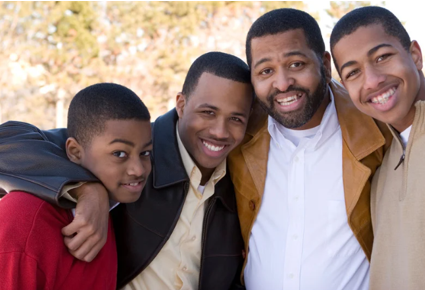
November is a time of reflection. As we gather with our families — for holidays, connection, or simply comfort — we’re reminded of what truly matters. This season, instead of focusing on what you’ll give this year, we invite you to consider a different kind of gift: The peace of knowing your family is protected. Estate planning is one of the most powerful ways to love your family. Not just in theory — but in action. It's about making sure that if something unexpected were to happen, the people you love would be protected, supported, and clear on what comes next. At Sibley Law, we believe it’s one of the greatest acts of care you can offer. Estate Planning Is About People — Not Just Paperwork When people think of estate planning, they often picture a set of documents: a will, a trust, powers of attorney. But true planning goes far beyond that. Estate planning, done the right way, is about clarity, protection, and love. It’s about ensuring your wishes are known and your loved ones are not left scrambling during one of the hardest moments of their lives. It’s not a transaction — it’s a relationship. A conversation about what’s important, who matters most, and how to keep them safe. A well-designed plan makes life easier for the people you care about. It ensures that they have not only the documents in place — but also the guidance, authority, and resources to make good decisions and carry out your wishes with confidence. Imagine your family trying to piece together your affairs without knowing what accounts exist, how bills are paid, or who should step in if you were unable to make decisions. Now imagine the alternative: a system where they know exactly what to do and who to call — where your instructions are clear, your assets are protected, and your love is felt even in your absence. That’s what we do at Sibley Law. That’s the gift of thoughtful estate planning. What Happens When Families Don’t Plan We’ve seen firsthand what happens when families put off planning — or believe they don’t need it because “they don’t have much.” But planning isn’t about wealth. It’s about people. If there’s anyone you love, you need a plan. We’ve supported families through heartbreak that could have been avoided: frozen bank accounts, unnecessary court fees, lost heirlooms, and painful disputes. Often, these situations don’t stem from malice — they happen because there was no clear plan. Even well-meaning families can end up in conflict when a parent’s wishes weren’t clearly documented or when siblings have different interpretations of what "should" happen. These conflicts can damage relationships permanently. And perhaps most heartbreaking of all is the illusion of planning — documents created years ago that no longer reflect current relationships, updated laws, or new assets. When those plans fail, the result isn’t just legal headaches — it’s emotional pain, broken trust, and financial loss. We often hear, “We thought we had everything in place.” But planning isn’t something you do once and forget. It needs to be reviewed, updated, and built to evolve with your life. That’s what sets Sibley Law apart — our planning is not a one-time event. It’s a living, breathing system that grows with you. What Real Planning Looks Like at Sibley Law At Sibley Law, we use a process called Life & Legacy Planning® , a comprehensive, relationship-based approach to ensure your plan works — not just when it’s signed, but when your family needs it. It all begins with a Life & Legacy Planning Session — a working meeting where we walk you through what would happen if something happened to you right now. This session helps you see clearly where your plan stands and what’s missing. From there, we help you create a plan that reflects your values, protects your assets, and — most importantly — protects your people. A real plan doesn’t stop with legal documents. We include: A full inventory of your assets, so nothing gets overlooked. Legal documents that reflect your specific family dynamics. Clear instructions for your loved ones. Systems for updating your plan as your life evolves. Built-in reviews to keep your plan current. A trusted relationship with our firm so your family has someone to call. And perhaps most special of all — we offer the opportunity to include legacy interviews , where you record messages, stories, or lessons you want passed down. These are the kinds of things your family will cherish most — far beyond financial wealth. This is what we mean when we say we’re not just your law firm — we’re your Personal Family Lawyer® Firm. Real Stories. Real Peace of Mind We’ve had clients walk out of our office saying, “I didn’t expect this to feel so good.” Estate planning, when done right, is empowering. It brings peace. It removes fear. And it shifts the focus from “what if something goes wrong” to “how do I protect what’s right.” Whether you’re a young family just starting out, caring for aging parents, navigating a blended family, or looking ahead to retirement — our team will meet you where you are and help you move forward with clarity. A Note for Those Who Have Already Planned If you already have a plan in place — that’s a great first step. But here’s the question: Does it still reflect your life today? Have your relationships changed? Have you moved to Florida or purchased new property? Have you had children or grandchildren? Have you started a new business or acquired new assets? If anything has changed — or if it’s been more than 3 years since you reviewed your plan — it’s time for a check-in. Our complimentary Discovery Call is a simple way to make sure everything is still aligned with your goals. The Gift of Legacy This holiday season, while you’re thinking about what to give — give the one thing that outlasts all others: peace of mind . Protect your family. Clarify your wishes. Make the hard moments a little easier for the people you love most. Let this be the year you take the first step — or take the next one. Here’s How to Start We invite you to schedule a c omplimentary 15-minute discovery call with our team. There’s no pressure and no commitment — just a conversation to help you understand where you stand and how we can help. Schedule your Discovery Call Check out our upcoming events here! You’ll walk away more informed, more empowered, and one step closer to peace of mind. With warmth and gratitude, Attorney Dedra Sibley & the Sibley Law Team Protecting Families. Building Legacies. This article is a service of Sibley Law , a Personal Family Lawyer® Firm. We don’t just draft documents; we ensure you make informed and empowered decisions about life and death, for yourself and the people you love. That’s why we offer a Life & Legacy Planning Session , during which you’ll get more financially organized than ever before and make the best choices for the people you love. Contact us today at https://www.legacylawyeratsibleylaw.com/contact to schedule your session. The content is sourced from Personal Family Lawyer® for use by Personal Family Lawyer® firms, a source believed to be providing accurate information. This material was created for educational and informational purposes only and is not intended as ERISA, tax, legal, or investment advice. If you are seeking legal advice specific to your needs, such advice services must be obtained on your own, separate from this educational material.

October 24, 2025
As a resident of Melbourne, Florida, you enjoy the beautiful beaches, the Space Coast culture, and the sunshine that makes this area special. It’s easy to focus on today and put off planning for tomorrow. However, the decision to delay or forgo estate planning is one that can have profound and unintended consequences for your loved ones. Simply put: if you don’t create an estate plan, the State of Florida has already written one for you—and it almost certainly won't reflect your actual wishes. Attorney Dee Sibley, Founding Attorney at Sibley Law & Associates, PLLC , is one of Melbourne, Florida's Top Estate Planning Lawyers. Our motto is: Planning For Life...Building For Legacy. We’ve helped countless individuals and families in Brevard County secure their future, and we urge you to understand what happens when you leave your legacy to chance. Book Your Consultation Today. The Default Plan—Florida’s Intestacy Laws When a person passes away in Florida without a valid Last Will and Testament or other legal transfer mechanisms (like a Trust), they are said to have died intestate. This means their assets that are subject to probate—known as the probate estate—will be distributed according to the rules of intestate succession found in the Florida Statutes. This scenario is far from ideal. Instead of your wishes being honored, a rigid set of government rules determines who inherits your property, who manages your estate, and even who raises your minor children. This entire process is controlled by the court system in a lengthy, public, and expensive procedure called probate . The Consequences of Dying Intestate in Melbourne, Florida The lack of an estate plan triggers a series of undesirable legal and financial consequences that can inflict stress and expense on your surviving family. The Distribution of Your Assets is Controlled by the State Florida’s intestate succession laws follow a strict family tree hierar chy that dictates who gets what. This system makes no distinction between a close relative and an estranged one; it follows only blood or legal ties . Who Actually Inherits Your Property? If you are married and have no children (or all of your children are also the children of your surviving spouse): Your spouse inherits everything. If you are married and have children from a previous relationship (or your spouse has children from a previous relationship): Your surviving spouse inherits only half of your intestate property, and your descendants (children, grandchildren, etc.) inherit the other half. This often results in complex co-ownership situations between a new spouse and adult children. If you are single and have children: Your children inherit everything, divided equally. If you have no spouse or descendants: The estate passes to your parents, then to your siblings, and so on t o more distant relatives. The Takeaway: The state's formula may completely cut out a life partner you never legally married, a beloved charity, a close friend, or a stepchild you raised. Probate is Time-Consuming, Expensive, and Public In Melbourne (Brevard County), a lack of planning guarantees that your estate will go thro ugh probate—a court-supervised process that transfers property from the deceased to their heirs. The Financial Toll of Probate Probate is notori ously expensive in Florida, and the costs are paid directly from your estate, reducing the inheritance your family receives. Costs include: Statutory Attorney’s Fees and Personal Representative Fees: Florida law sets a percentage scale for "reasonable" fees based on the value of the probate estate. For example, a $300,000 estate could incur thousands of dollars in fees for both the attorney and the personal representative. Court Filing Fees: Mandatory costs to open and maintain the case in the Brevard County court system. Appraisal and Accounting Costs: Necessary for valuing and managing the assets. The total cost can easily consume $\mathbf{3\%}$ to $\mathbf{7\%}$ or more of your estate's value, which is money that could have been preserved for your heirs through proper planning. The Delay and Lack of Privacy Significant Delays: Simple probate often ta kes six months to a year, and more complex or contested estates can take several years. During this time, your assets are essentially frozen, creating financial hardship for your family. A Public Record: All documents filed in the Brevard County probate court—including a list of your assets, your debts, and who receives your property—becom e a matter of public record. Anyone can look up the details of your private financial life. Lost Control Over Key Decisions An estate plan is not just about distributing money; it's about making essential personal and financial decisions for yourself and your family. Without it, you lose all control. Guardianship for Minor Children For paren ts of minor children, this is arguably the most serious consequence. Your Last Will and Testament is the only legal document where you can nominate a guardian to raise your children if you and the other parent pass away. Without one, the court must appoint a guardian. This could lead to a drawn-out, emotional guardianship hearing where relatives may fight over custody, and a judge who knows nothing about your children's needs or your family's values will make the final, p ermanent decision. Managing Incapacity An estate plan is also your safeguard ag ainst incapacity due to an illness or accident. Documents like a Durable Power of Attorney and a Designation of Health Care Surrogate are vital. Without them: Your family may have to petition the court for a Guardianship of the Property (for finances) or a Guardianship of the Person (for medical care). A guardianship proceeding is incredibly costly, time-consuming, and takes control away from your family, giving it to a court-appointed professional or a family me mber the judge chooses. Florida’s Complex Homestead Protections In Florida, your primary reside nce (Homestead) has constitutiona l protections that often complicate inheritance, especially without a Will. Unintended Property Ownership If you pass away without a Will and are sur vived by a spouse and descendants, your spouse doesn't simply inherit the home outright. Instead, your spouse is granted a life estate (the right to live in the home for life), with the descendants inheriting the property outright after the spouse passes away. This forces the spouse and children to co-own the property, which can create immediate, paralyzing conflicts over taxes, insurance, maintenance, and the ability to sell or mortgage the home. The surviving spouse may elect to take a half interest as a tenant in common, but this als o requires court involvement and does not guarantee peace among the co-owners. The Power of Planning with Sibley Law The question isn't whether you need an estate plan in Melbourne, Florida, but how soon you need to create one. Relying on Florida's default rules of intestacy guarantees stress, expense, delays, and a loss of control for your loved ones. You sacrifice your privacy and risk family conflict over who gets your most cherished posse ssions and, more importantly, who cares for your children. Attorney Dee Sibley and her team at Sibley Law & Associates, PLLC are committed to helping you put a personalized, comprehensive, and clear plan in place. We don't just draft documents; we help you articulate your values and solidify your legacy. Taking control now means avoiding the costs, delays, and public scrutiny of probate for your family later. Don't let the State of Florida decide your legacy. Take the first step to Planning For Life...Building For Legacy. Book Your Consultation Today with one of Melbourne, Florida's Top Estate Planning Lawyers.
October 14, 2025
Most people who meet with an estate planning lawyer expect a standard “initial consultation.” You meet, answer a few questions about your family and assets, and walk away with a quote for a will or trust. It sounds simple — but that’s the problem. This transactional approach often leads to confusion, incomplete planning, and false peace of mind. Too many Florida families think their plan is “done,” only to discover later that critical gaps leave loved ones unprotected. At Sibley Law & Associates , we believe your first meeting should do more than check boxes. It should give you clarity, control, and confidence — and set the foundation for a plan that actually works when your family needs it most. That’s why we don’t offer a typical consultation. We offer a Life & Legacy Planning® Session — a focused, working meeting designed to help you make fully informed decisions about your family, your assets, and your future. The Problem with a Typical Consultation A standard consultation usually focuses on what documents you “need” — a will, trust, power of attorney, and health care directive — along with what they’ll cost. But this kind of approach skips the heart of the matter: what truly matters to you . It often means the lawyer doesn’t have a process in place to understand your family dynamics, your goals, or how Florida law actually applies to your situation. One-size-fits-all pricing or “packages” are red flags that you may not be getting guidance customized to your family’s reality. At Sibley Law, we take the opposite approach. What Makes the Life & Legacy Planning® Session Different Our Life & Legacy Planning® Session is a hands-on two-hour meeting that walks you step-by-step through how the law applies to you, your loved ones, and your assets — right here in Florida. We start by showing you exactly what would happen if something were to happen to you today — under Florida law — so you can see where your current plan (or lack thereof) might leave gaps. Most clients are surprised by what they learn. From there, we walk through the decisions that matter most: Who would step forward for your children or aging parents? How can you ensure your family avoids court and conflict? Would you want your financial and personal matters to remain private? How would your loved ones access your accounts, passwords, or digital assets? These are the real-life questions that determine whether your plan will work — not just when things go smoothly, but when life happens. A Plan That Reflects Your Family and Your Values Estate planning isn’t about documents — it’s about people. During your Life & Legacy Planning® Session , we’ll take the time to understand your loved ones, your priorities, and your values. Maybe your focus is protecting your spouse’s future, ensuring your children are cared for the way you want, or keeping your affairs private. Maybe you own property in multiple states or run a family business that needs to stay operational. Whatever matters most to you, this process helps you align your plan with your goals — and gives you confidence that everything you love will be cared for exactly as you intend. We also go beyond finances. For most families, the most valuable inheritance isn’t money — it’s guidance, stories, and wisdom. Through our Life & Legacy Planning® Process , we help you capture and preserve those intangible assets, ensuring your legacy carries far more meaning than what’s written on paper. What to Expect in the Session During your Life & Legacy Planning® Session, we will: Educate you about Florida law and how it applies to you: We’ll clearly show you what would happen if you became incapacitated or passed away today — so you can make informed, proactive choices. Review your family dynamics and financial picture: You’ll complete a personal asset inventory before the meeting, and we’ll go through it together. This ensures no asset — or family member — is left out. Clarify your goals and priorities: Everyone’s plan looks different. Some want to protect their children’s inheritance from divorce or creditors; others want to minimize taxes or maintain privacy. This session gives you space to define what’s most important. Choose the right plan and path forward: By the end of the session, you’ll know exactly what options are available, how they work in real life, and which fits your budget and goals. You’ll leave with full transparency — no surprises, no guesswork. Why It Matters The Life & Legacy Planning® Session is more than a meeting — it’s the foundation of a lifelong relationship with a law firm that’s committed to keeping your plan up to date as your life changes. Traditional consultations stop at “what” you need. Our Session gives you the why and the how behind every decision. When you leave, you’ll have: Clarity about what would happen if something happened to you today. Confidence that your choices reflect your values. Peace of mind knowing your family will be cared for when they need it most. That’s the difference between an estate plan that works — and one that fails. Your Next Step If you’ve been putting off estate planning because it felt transactional, complicated, or overwhelming — you’re not alone. Our mission is to make the process educational, empowering, and personal. You’ll leave with clarity and the assurance that your plan will work for the people you love. To get started, we offer two simple ways to begin: Attend a Free Estate Planning Seminar: Join us for one of our upcoming Estate Planning Essentials events. These sessions are designed to give you a clear overview of how planning works in Florida, common mistakes to avoid, and how our Life & Legacy Planning® Process can protect your family. When you attend a seminar, your Life & Legacy Planning® Session fee is waived. Schedule a 15-Minute Discovery Call: Prefer to start one-on-one? Book a short call with our team to determine whether our process is the right fit for your family. During this call, we’ll answer your initial questions, explain what to expect, and help you decide the best next step. Start by registering for a seminar or scheduling your Discovery Call today — and take the first step toward protecting your family and your peace of mind. Check out our upcoming events here! Schedule your Discovery Call This article is a service of Sibley Law , a Personal Family Lawyer® Firm. We don’t just draft documents; we ensure you make informed and empowered decisions about life and death, for yourself and the people you love. That’s why we offer a Life & Legacy Planning Session , during which you’ll get more financially organized than ever before and make the best choices for the people you love. Contact us today at https://www.legacylawyeratsibleylaw.com/contact to schedule your session. The content is sourced from Personal Family Lawyer® for use by Personal Family Lawyer® firms, a source believed to be providing accurate information. This material was created for educational and informational purposes only and is not intended as ERISA, tax, legal, or investment advice. If you are seeking legal advice specific to your needs, such advice services must be obtained on your own, separate from this educational material.

October 3, 2025
When it comes to aging, most people assume someone, a spouse, children, or a close friend, will be there when care is needed. But today, more adults are facing the reality of growing older without reliable support. According to AARP, more than 16 million adults over 65 live alone, and 77% report having no plan for living assistance as they age. Even when family lives nearby, aging can create unexpected challenges that strain relationships and leave loved ones scrambling to make decisions. At Sibley Law, we believe estate planning is about more than documents. It’s about planning for life and building for legacy —ensuring your care, dignity, and wishes are honored no matter what the future holds. The New Reality of Aging Alone Imagine reaching your 80s and realizing you haven’t seen another person in two weeks. For many older adults, this isn’t imagination, it’s daily life. In rural areas, nonprofits like Mountain Empire Older Citizens provide the only human contact some elders receive. But even in suburban and urban communities, divorce, longer lifespans, and family spread across states mean more people will age without an immediate support system. Even those with financial resources find themselves unprepared. Care workers are in short supply, waiting lists for services are long, and without a plan, individuals risk being left without reliable support Why Assumptions About Care Cause More Harm Than Good Too often, families avoid hard conversations about care, operating instead on assumptions: “Mom always said she wanted to stay at home.” “Dad would never want to go to a nursing home.” But when dementia or chronic illness enters the picture, those assumptions quickly unravel. Without clear, written instructions, adult children may argue for months over the “right” care path. Meanwhile, relationships fray, conditions worsen, and the parent ends up in a situation nobody wanted. Even old estate plans may no longer reflect current wishes. Laws change. Families change. What seemed like a good solution ten years ago may not protect you today. How Life & Legacy Planning Protects You and Your Loved Ones A Life & Legacy Plan provides a clear roadmap that reduces stress, prevents conflict, and ensures your wishes are followed. At Sibley Law, our process does more than address legal documents—it gives families confidence, clarity, and peace of mind. With a Life & Legacy Plan, you can: Ensure your care matches your wishes – Decide now whether you want to age at home, in assisted living, or in another setting. Reduce family conflict – Clear documentation prevents disagreements among children and loved ones. Protect your autonomy – Your plan speaks for you when you can’t, preserving your dignity and control. Secure your assets – Keep everything you’ve worked for titled, preserved, and directed to those you care about. Stay current – Regular reviews ensure your plan works when life and laws inevitably change. This isn’t about money alone. It’s about protecting your dignity, your family, and the relationships that matter most. Take the Next Step: Protect Yourself and Those You Love The realities of aging are unavoidable—but uncertainty doesn’t have to be. With a Life & Legacy Plan , you can: Provide clear instructions for your care Prevent your loved ones from being put in an impossible position. Give your family the priceless gift of clarity and peace of mind. It begins with a Life & Legacy Planning Session —a working session where you’ll: Discover what would happen to your assets and loved ones today if something happened to you. Create an inventory of everything you own so nothing is lost or overlooked. Explore your family dynamics, values, and goals. Choose the right plan that reflects your wishes and budget. 📞 Schedule your 15-minute discovery call today to get started . At Sibley Law, we don’t just draft documents—we build plans that protect families, honor dignity, and safeguard legacies. 👉 Are you ready to capture what matters most? Click here to schedule your complimentary 15-minute discovery call and take the first step toward preserving your family’s priceless legacy. This article is a service of Sibley Law , a Personal Family Lawyer® Firm. We don’t just draft documents; we ensure you make informed and empowered decisions about life and death, for yourself and the people you love. That’s why we offer a Life & Legacy Planning Session , during which you’ll get more financially organized than ever before and make the best choices for the people you love. Contact us today at https://www.legacylawyeratsibleylaw.com/contact to schedule your session. The content is sourced from Personal Family Lawyer® for use by Personal Family Lawyer® firms, a source believed to be providing accurate information. This material was created for educational and informational purposes only and is not intended as ERISA, tax, legal, or investment advice. If you are seeking legal advice specific to your needs, such advice services must be obtained on your own, separate from this educational material.

September 22, 2025
At Sibley Law & Associates, we know estate planning is about more than documents. It’s about people, memories, and the values that connect generations. A client once told me she would give anything to hear her grandmother’s voice again. Her grandmother had been the heart of the family—the one who told stories about how she survived the Great Depression and how she fell in love with her husband. But when she passed away, those stories went with her. They had never been written down or recorded, and now an entire chapter of the family’s history was gone forever. Every day, families lose stories like these. Recipes, traditions, lessons, and memories vanish when the storytellers are no longer here. But you don’t have to let that happen in your family. With the right planning, you can capture these irreplaceable pieces of history and ensure they live on as part of something greater—a legacy that guides, inspires, and connects future generations. Why Family Stories Are the Heart of Your Legacy Stories aren’t just entertainment at the holiday table. They’re how families pass on values, resilience, and identity. Without intentional preservation, even the most powerful stories can vanish within a generation. Think of your great-grandmother’s courage when she immigrated to a new country. That wasn’t just her story—it set a pattern of strength that still echoes in your family today. Or picture your grandparents meeting during wartime—not just a romantic tale, but proof that joy can be found even in uncertain times. These aren’t just memories. They are blueprints. They show your children and grandchildren how to face adversity, how to love, and how to persevere. When you preserve family stories, you’re doing far more than keeping people entertained. You’re creating a framework of identity and values that will outlast you. You’re showing future generations not just what your family owned, but who your family is. And here’s something many people overlook: your family stories make your estate plan more meaningful. When your children know why education mattered to their ancestors, they’ll understand why you’ve structured their inheritance to support learning. When they hear how the family business was built from nothing, they’ll respect the responsibility of carrying it forward. Families that know their stories are almost always the ones with stronger bonds across generations. They aren’t just connected by blood—they’re connected by shared identity. So how do you make sure those stories don’t slip away? That’s where intentional preservation—and our process—comes in. Preserving Stories for the Next Generations The challenge isn’t just capturing family stories—it’s making sure future generations actually use and treasure them. Too many well-intentioned projects end up as forgotten albums on a shelf or files no one ever opens. That’s why, when you create a Life & Legacy Plan® with Sibley Law , we don’t leave this up to chance. This isn’t a “someday project” that you’ll put on a to-do list and never get around to. It’s built right into your plan as a Life & Legacy Interview® . During your Life & Legacy Interview, we’ll record your stories, values, and wisdom, so your loved ones hear your voice, your laughter, and your lessons in your own words. This way, your family’s most meaningful stories are not only captured but preserved. Many clients have told us that the Interview was the most meaningful part of the planning process—and that they never would have done it without our support. Even with a Life & Legacy Interview built into your plan, you may want to capture even more stories on your own. The best way to start is by asking the right questions. Questions That Unlock the Stories Your Family Needs The best stories don’t come from surface-level questions. They come from questions that dig into emotions, lessons, and values. Instead of asking, “What was your childhood like?” try: “What’s a memory from your childhood that still guides your decisions today?” Questions about relationships reveal powerful insights: “Tell me about someone who influenced your life without realizing it.” “What did you learn about love from watching your parents?” Don’t be afraid to ask about hard times—but frame them in terms of growth: “Tell me about a time the family had to pull together to get through something.” “What challenge made us stronger?” Questions about values give future generations a moral compass: “What decision are you proud of, and what guided you in making it?” “If you could pass on three life lessons, what would they be?” And sometimes the most revealing stories come from ordinary moments: “What did a typical Sunday look like in your home?” “What little traditions made your family feel like family?” Finally, ask forward-looking questions: “What do you want future generations to remember about you?” “What should our family always stand for?” The magic of our Life & Legacy Planning® process is that we’ll ask questions like these for you, capture it all, and ensure none of it is lost—so you don’t have to worry about forgetting what to ask, missing the important moments, or losing any of it. Once these stories are captured, the question becomes: how do you make sure they actually shape your family’s future? That’s where our planning process comes in. Building a Legacy That Lasts Beyond Bank Accounts When most people think of estate planning, they think of documents that move money and property from one generation to the next. But here’s the truth: money without meaning rarely lasts. The families who thrive across generations aren’t the ones with the biggest bank accounts. They’re the ones with clear values, shared identity, and stories that remind them of who they are. That’s why Life & Legacy Planning® goes beyond documents. We won’t just make sure your assets are transferred properly—we’ll make sure the “why” behind your plan—your love, your wisdom, your family legacy—is passed on too. This creates an anchor of love and guidance that your children and grandchildren can return to long after you’re gone. Your children and grandchildren will see not just the money you left, but the principles you lived by. They’ll know why you set up the structures you did, and they’ll feel the love behind them. And here’s something else: families that preserve their stories often avoid the conflicts that tear others apart. When everyone understands the family values and the reasons behind decisions, there’s less room for resentment and fighting. But you can only create that kind of plan while the storytellers are still here. Every day you wait is another day a story might be lost forever. That’s why it’s important to start now, with a Life & Legacy Plan® designed to pass on both your assets and your stories. Take Action to Preserve Your Family’s Legacy Today Your family’s stories are irreplaceable. They won’t preserve themselves. Without intention, they’ll slip away with each passing generation—taking with them not just history, but wisdom, love, and connection. It all begins with a Life & Legacy Planning Session®. During this two-hour working session, you’ll: Get clear on what would happen to your assets and loved ones if something happened to you today. Create a complete inventory of everything you own, so nothing is ever lost or overlooked. Explore your family dynamics, values, and goals to design a plan that reflects what matters most to you. Pick the right plan that fits your values, goals, and budget. Most people walk out of their session feeling more organized, empowered, and relieved than they ever thought possible—with the peace of mind knowing they’ve done the right thing for all the people they love. 👉 Are you ready to capture what matters most? Click here to schedule your complimentary 15-minute discovery call and take the first step toward preserving your family’s priceless legacy. This article is a service of Sibley Law , a Personal Family Lawyer® Firm. We don’t just draft documents; we ensure you make informed and empowered decisions about life and death, for yourself and the people you love. That’s why we offer a Life & Legacy Planning Session , during which you’ll get more financially organized than ever before and make the best choices for the people you love. Contact us today at https://www.legacylawyeratsibleylaw.com/contact to schedule your session. The content is sourced from Personal Family Lawyer® for use by Personal Family Lawyer® firms, a source believed to be providing accurate information. This material was created for educational and informational purposes only and is not intended as ERISA, tax, legal, or investment advice. If you are seeking legal advice specific to your needs, such advice services must be obtained on your own, separate from this educational material.
September 5, 2025
Life in Melbourne, Florida, is a testament to careful planning and hard work. From the peaceful charm of the Indian River Lagoon to the bustling energy of downtown, every aspect of our community is built on a foundation of foresight. Yet, when it comes to personal finance and the future of our families, many of us overlook the most critical planning tool: a comprehensive estate plan. An estate plan is more than just a set of documents; it's a reflection of your life's work and a blueprint for protecting the people and assets you care about most. However, navigating the legal complexities can be challenging, and even well-intentioned efforts can lead to costly mistakes. At Sibley Law & Associates, PLLC, we believe that informed clients make the best decisions. As one of Melbourne, Florida's top estate planning lawyers, Attorney Dee Sibley is dedicated to helping individuals and families understand the pitfalls to avoid. As our firm's motto states, "Planning For Life...Building For Legacy." By steering clear of these common errors, you can ensure your legacy is secure and your wishes are honored. The Mistake of Procrastination The single biggest mistake in estate planning is simply not doing it. Many people believe they are too young, don't have enough assets, or can "get to it later." However, life is unpredictable, and without a plan, the state of Florida will write one for you. This default plan, known as intestacy, follows a rigid formula that rarely aligns with an individual’s true wishes. It can lead to your spouse having to share assets with your children from a previous marriage, your unmarried partner receiving nothing, and your family being forced into a lengthy and expensive probate process. The time to plan is now, while you are healthy and able to make sound decisions. Relying on Do-It-Yourself Solutions With the proliferation of online legal services and generic forms, many Melbourne residents are tempted to create their own wills or trusts. While this may seem like a cost-saving measure, it is a dangerous gamble. Online forms are often generic and fail to account for the specific nuances of Florida law, such as requirements for witnesses, notarization, and the proper language to address Florida's unique homestead laws. A single error in execution—like a missing witness signature—can render the entire document invalid in court. These mistakes are not discovered until it is too late, leaving your family with a worthless document and a complicated legal mess. A skilled estate planning attorney ensures your documents are legally sound and tailored to your situation. Failing to Update Your Documents Life is dynamic, and your estate plan should be, too. A common and significant mistake is creating a plan and then forgetting about it. Major life events like marriage, divorce, birth of a child, death of a beneficiary, or a significant change in financial circumstances all necessitate an update to your estate plan. For example, if you get divorced and fail to update your beneficiary designations, your ex-spouse could inherit your assets, regardless of what your will says. Outdated documents can lead to family disputes, unintended distributions, and a plan that no longer serves your current goals. A regular review, every three to five years or after any major life event, is crucial. Improperly Naming Beneficiaries This is a subtle but critical mistake. Many people assume their will or trust will dictate who inherits all their assets. In reality, accounts with beneficiary designations—such as 401(k)s, IRAs, life insurance policies, and some bank accounts—are governed by those beneficiary forms, which override your will. If a beneficiary form is outdated, missing, or incorrectly filled out, the asset may go to the wrong person or be subject to probate. It's essential that these beneficiary designations are coordinated with your comprehensive estate plan to ensure your assets pass to the intended heirs seamlessly and without conflict. Neglecting Incapacity Planning An estate plan isn't just about what happens after you die; it's also about what happens if you become incapacitated and can't make decisions for yourself. A major mistake is focusing only on a Last Will and Testament and neglecting documents that address living situations. Without a Durable Power of Attorney and a Health Care Surrogate Designation, a family member may have to petition a court to be appointed as your legal guardian. This process is public, expensive, and can lead to family conflict over who should be in charge of your financial and medical decisions. These simple but powerful documents ensure a trusted person can act on your behalf, honoring your wishes and avoiding court intervention. Misunderstanding Florida's Homestead Law Florida's homestead laws are designed to protect a person’s primary residence, but they can be a source of significant confusion. A common mistake is attempting to leave homestead property in a will in a way that is prohibited by law. If you have a surviving spouse or minor children, Florida places strict limitations on who can inherit the homestead. A will that leaves the homestead to someone other than your spouse or children may be challenged and could cause the property to pass in a way you never intended. An experienced attorney can help you navigate this complex area of law and ensure your homestead is protected and passes to the right person. Not Funding a Trust For those who have a revocable living trust, a frequent mistake is failing to "fund" it. A trust is simply an empty legal shell until assets are transferred into its name. If you create a trust but fail to retitle assets like your home, bank accounts, or investment properties, the trust is essentially useless. Those assets will not be held by the trust and will still be subject to probate, defeating the primary purpose of the trust in the first place. An estate planning attorney provides crucial guidance to ensure all assets are properly titled and your trust is fully functional. Conclusion Creating a solid estate plan is one of the most important things you can do to protect your family and your legacy. By avoiding these common mistakes—from procrastination and DIY solutions to overlooking beneficiary designations and incapacity planning—you can secure your future with confidence. At Sibley Law & Associates, PLLC, we are dedicated to helping Melbourne residents navigate these complexities with expert guidance and a personalized approach. Attorney Dee Sibley and our team provide the knowledge and support you need to create a comprehensive plan that works seamlessly, reflects your wishes, and provides lasting peace of mind. Don't let these common pitfalls jeopardize your family's future. Book Your Consultation Today with Sibley Law & Associates, PLLC, and take the first step towards "Planning For Life...Building For Legacy." About Sibley Law This article is a service of Sibley Law & Associates , a Personal Family Lawyer® Firm. We don’t just draft documents; we ensure you make informed and empowered decisions about life and death, for yourself and the people you love. That's why we offer a Life & Legacy Planning Session, during which you will get more financially organized than you’ve ever been before and make all the best choices for the people you love. You can begin by calling our office today to schedule a Life & Legacy Planning Session The content is sourced from Personal Family Lawyer® for use by Personal Family Lawyer firms, a source believed to be providing accurate information. This material was created for educational and informational purposes only and is not intended as ERISA, tax, legal, or investment advice. If you are seeking legal advice specific to your needs, such advice services must be obtained on your own separate from this educational material.
September 5, 2025
Like buying a cheap car, bargain-priced estate planning can leave your loved ones stranded. Here’s why a comprehensive Life & Legacy Plan from Sibley Law is worth the investment. I had an eye-opening conversation with a potential client last week at Sibley Law . After walking her through our Life & Legacy Planning® process, she hesitated and said, “This sounds wonderful, but my friend told me I can get a trust done for half the price somewhere else.” I hear this often, and I get it—no one wants to overpay for legal services. But after years of helping families at Sibley Law , I’ve seen firsthand that choosing the cheapest estate plan often becomes the most expensive mistake you can make. Let me explain why, and why you might want to warn your friend that their bargain plan may be worth little more than the paper it’s printed on. You’re Not Comparing Apples to Apples When someone offers estate planning documents at a lower price, they’re not lying about the cost—if all you’re looking for is a set of basic documents. You can indeed find attorneys who will draft a will, trust, power of attorney, or healthcare directive for half the cost of our comprehensive Life & Legacy Planning at Sibley Law . You can even download forms online for under $100 or use AI to generate documents for free. But here’s the catch: you’re not getting the same service . It’s like hiring the cheapest contractor to fix a leaky roof. At first, the patch looks fine, the price is low, and you feel good about saving money. But when the next storm hits, the roof fails. Water pours in, drywall buckles, mold spreads, and suddenly you’re replacing insulation, tearing out walls, and even repairing the foundation. You might lose irreplaceable valuables. That cheap fix ends up costing far more than doing it right the first time. Estate planning works the same way, but the consequences are worse. The storm —an illness, incapacity, or your death—hits when you can no longer fix the problems. Your loved ones are left with a set of documents from a lawyer who’s out of business, doesn’t handle incapacity or post-death matters, or never updated your plan. They didn’t take the time to truly understand you or what matters most to your family. A basic set of documents might look fine today, but when life’s challenges arise, your loved ones could face a costly, stressful, and time-consuming mess—one that could have been avoided with a Life & Legacy Plan from Sibley Law . This is the difference between building generational wealth and leaving your family with generations of trauma or expensive problems that drain them financially and emotionally. What a Cheap Plan Really Delivers When you opt for a low-cost estate plan—whether from a budget lawyer, an online service, or downloadable forms—here’s what you’re likely getting: Generic Documents: These are standard templates filled in with your name, basic wishes, and your heirs’ names. They’re rarely customized to your unique family dynamics , specific assets , or the real-world scenarios your loved ones might face. The lawyer or software creating these documents doesn’t know enough about you to ensure your plan achieves your goals. Florida law has very specific requirements for wills and estate planning documents, and generic templates often miss critical details. The Florida Bar’s consumer guide on wills explains just how precise these rules are—and why a bargain plan may fail your family when it matters most. No Asset Alignment: Your documents might say where your assets should go, but they won’t ensure your assets are titled correctly or that your beneficiary designations align with your wishes. If these aren’t in sync, your plan could fail entirely. Most low-cost lawyers don’t help you retitle assets or update designations—they can’t afford to at those prices. No Plan for Minor Children: If you have young children, this is critical. A cheap plan might name a guardian in your will but won’t address the legal and practical steps to ensure your children are raised by the people you choose, in the way you want, with the financial support your guardians need. And simply naming godparents also won’t protect against your children ending up in the care of strangers, even temporarily. Lack of Understanding: Many clients sign documents without fully understanding them, trusting the lawyer “took care of it.” But cheap plans often don’t explain your options clearly. At Sibley Law , we offer sliding scale/choose your own fee pricing based on what matters most to you . We ensure you understand critical choices, like whether to include asset protection and why it might matter to your family. A One-Time Transaction: With a cheap plan, the relationship ends once you sign the documents. There’s no follow-up, no answers to your questions, and no system to update your plan as your life changes. Your plan sits in a drawer, outdated, until it’s needed—and if it doesn’t reflect your current life and assets, it won’t work. No Support for Your Family: When you’re incapacitated or gone, your loved ones are left to navigate the documents, court processes, and asset management alone—often while grieving. They’ll spend their time , energy , and attention —nonrenewable resources—trying to figure it out, missing work or time with their own families. Missing the Intangibles: After you’re gone, your loved ones will crave more of you —your voice, your guidance, your stories. Cheap plans don’t capture these. They also don’t address sentimental items that often spark family disputes. At Sibley Law , our Life & Legacy Planning process ensures your plan passes on what matters most —not just your money, but your values, wishes, and legacy. Why This Matters Now You might be thinking, “I’ll start with a cheap plan and upgrade to a Life & Legacy Plan later.” At Sibley Law , we can work with you to start with the most affordable plan that still offers ongoing support, proactive reviews, and clear choices. We can always upgrade later as your needs evolve. But waiting comes with risks. Legacy isn’t created after you’re gone—it’s built through the choices you make today . We work with families every day who are reeling from an unexpected death or a devastating diagnosis. The truth is, we don’t know when our time will come. With proactive Life & Legacy Planning from Sibley Law , your life becomes richer, and death becomes less daunting. If you die with a cheap, incomplete plan, it could fail, leaving your family with financial and emotional chaos when they’re least equipped to handle it. A good estate plan, like a strong roof, isn’t just for sunny days—it’s built to withstand life’s worst storms . Your Next Step with Sibley Law Don’t just compare prices—compare outcomes . Ask, “What will it cost my loved ones if my plan fails?” Peace of mind and false security are not the same. As a Personal Family Lawyer® Firm, Sibley Law creates comprehensive Life & Legacy Plans that work when your family needs them. Our process ensures your assets are protected , your plan is understood by you and your loved ones, and it’s reviewed and updated over time—so you never have to worry about a costly mistake derailing your family’s future. Click Here to schedule your 15-minute discovery call today to create a plan that provides true peace of mind and stands strong for the people you love most. This article is a service of Sibley Law , a Personal Family Lawyer® Firm. We don’t just draft documents; we ensure you make informed and empowered decisions about life and death, for yourself and the people you love. That’s why we offer a Life & Legacy Planning Session , during which you’ll get more financially organized than ever before and make the best choices for the people you love. Contact us today at https://www.legacylawyeratsibleylaw.com/contact to schedule your session. The content is sourced from Personal Family Lawyer® for use by Personal Family Lawyer® firms, a source believed to be providing accurate information. This material was created for educational and informational purposes only and is not intended as ERISA, tax, legal, or investment advice. If you are seeking legal advice specific to your needs, such advice services must be obtained on your own, separate from this educational material.

More Posts